Tire Inspection
Tread Depth Guide
Tread depth is measured, not guessed from a glance across the parking lot. For commercial vehicles, tread depth also intersects with regulation, position, weather, casing value, and fleet policy.
Use a proper gauge and measure more than one groove.
What to measure
- Major tread grooves
- Inner, center, and outer areas
- Both tires in a dual set
- Any area showing irregular wear
- Positions with prior repair or damage
Federal minimum tread depth thresholds
49 CFR 393.75 establishes minimum tread depth requirements for tires on commercial motor vehicles. The values below are from the regulation text as reviewed on 2026-05-20; always confirm against the current regulation at eCFR.gov before making compliance decisions, and check applicable state rules.
| Axle position | Federal minimum tread depth | Measurement location |
|---|---|---|
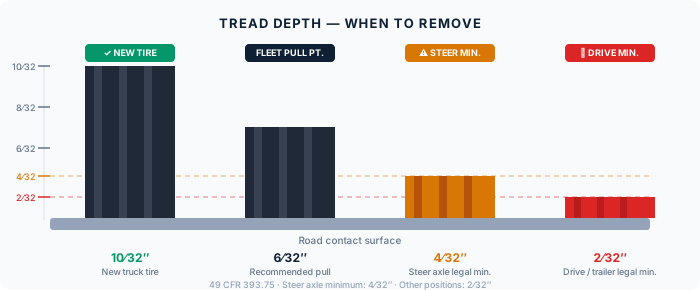
| Front (steer) axle | 4/32 inch (approximately 3.2 mm) | Major tread grooves |
| All other positions (drive, trailer) | 2/32 inch (approximately 1.6 mm) | Major tread grooves |
Tread wear indicators and the steer axle
Tread wear indicator bars — the raised bars molded into major grooves — appear at approximately 2/32 inch. For non-steer positions, a wear bar becoming flush with the surrounding tread signals the federal removal threshold. For steer axle tires on commercial vehicles, a wear indicator appearing means the tire has already fallen below the federal 4/32-inch minimum. Do not use wear bars as the removal signal for steer tires.
When fleet or manufacturer limits are stricter
Many fleets set tire removal depths higher than the federal minimum — commonly 4/32 inch on drive tires and 6/32 inch on steer tires — to preserve casing value for retreading and to maintain a safety margin. Fleet policy controls when it is stricter than the applicable regulation.
Measurement notes that prevent bad records
Record the lowest meaningful reading from the tire, not the average of several readings. A steer tire with one shoulder at 4/32 inch and a center rib at 7/32 inch is still at the steer minimum at the shoulder.
When readings vary sharply across the tread face, write down the pattern: inner shoulder, center, outer shoulder. That short note helps the next person decide whether the tire is simply worn out or whether alignment, pressure, or suspension needs attention.
Where to measure twice
- Any tire with one-side wear, feathering, or cupping.
- Inside duals that cannot be seen clearly from the walk-around side.
- Steer tires with a vibration, pull, or recent alignment complaint.
- Retread tires with shoulder wear or early separation suspicion.
- Tires near fleet pull depth before a long route or weather-sensitive dispatch.
Regulatory caution
Always check the current regulation text and applicable inspection standards rather than relying on any summary page, including this one. Regulations can change, and state rules may add requirements beyond the federal minimum.
Step-by-Step Checklist
- Use a tread-depth gauge.
- Measure several locations around the tire.
- Record the lowest meaningful reading.
- Note the rib location of the low reading.
- Do not ignore exposed cord, belt, or casing damage.
- Apply the 4/32-inch threshold to steer tires specifically.
FAQ
What is the minimum tread depth for semi truck tires under federal rules?
Federal regulations at 49 CFR 393.75 set a minimum of 4/32 inch in major grooves for tires on the front (steer) axle, and at least 2/32 inch for tires on all other axle positions. These are the minimum legal thresholds; fleet policy and tire manufacturers often set higher removal depths. Always confirm against the current regulation text at eCFR.gov.
How do you measure tread depth on a truck tire?
Use a calibrated tread-depth gauge, not a visual guess or coin check. Press the gauge pin into the major groove and read the depth. Measure at multiple locations around the tire — inside shoulder, center, and outside shoulder ribs — because irregular wear can hide the lowest point. On dual assemblies, measure both tires separately. Record the lowest reading for each tire.
Does a tread wear indicator bar mean a truck tire has reached the removal limit?
It depends on the axle position. For drive and trailer tires on commercial vehicles, a wear bar flush with the tread surface indicates the tire is at the federal 2/32-inch minimum. For steer axle tires, a visible wear bar means the tire has already fallen below the federal 4/32-inch minimum — it should have been pulled from service before reaching that point. Do not use wear bars as the steer tire removal signal.
Source Notes
- Government 49 CFR 393.75 - Tires
- Government FMCSA Motor Carrier Safety Planner: Tires (393.75)
- Government 49 CFR Part 396 - Inspection, Repair, and Maintenance
- Site note TruckTireGuide.com editorial notes
Editorial Review
TruckTireGuide.com editorial team
Maintained by an independent editor with fleet tire-program experience in regional Class 8 operations, supported by transportation regulatory research and commercial vehicle technical writing.
Pages are checked against public regulations, manufacturer resources, industry references, and conservative field practice. The site does not approve tires for service or replace qualified inspection.