Truck Tire Wear Patterns
Cupping Wear
Cupping looks like a series of dips around the tire, and it often points beyond inflation. Think wheel end, shocks, balance, and suspension before blaming the tread alone.
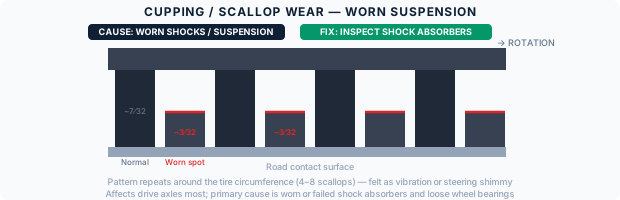
What it looks like
The tread surface has repeating high and low spots — scalloped dips — that are easiest to feel by hand after the tire is safely parked and cool. The pattern usually repeats several times around the circumference.
Symptom / Cause / First Check
| Symptom | Possible cause | First check |
|---|---|---|
| Scalloped dips around the tire | Shock absorber or suspension control problem | Shock condition and mounts |
| Cupping with vibration | Balance, mounting, or wheel-end concern | Wheel-end and balance inspection |
| Pattern strongest on steer axle | Steering or alignment issue | Steer components and alignment |
What to check first
- Shock condition — look for leaks, damaged mounts, and test for controlled rebound
- Wheel bearing play
- Balance and mounting history
- Steer axle alignment
- Recent vibration or shimmy reports from drivers
What not to do first
Do not rotate a cupped tire away from the problem position before recording where it came from. The position is part of the diagnosis. If the replacement tire starts cupping in the same position, that confirms the wheel end, shock, or suspension still needs attention.
Driver complaint notes
Ask whether the driver noticed a new growl, bounce, steering shake, or vibration at a particular speed range. Those notes help separate a simple wear complaint from a wheel-end or suspension problem that is still active. A tire can show early cupping before the tread looks dramatic in photos, but the driver may already feel the change on a smooth road.
When to stop and get inspected
Stop when cupping is paired with vibration, noise, steering shake, exposed material, or suspected wheel-end looseness.
Related Maintenance Checklist
- Do a hands-on tread feel after safe parking.
- Inspect shocks for leaks or damage.
- Check wheel-end condition.
- Do not rotate a problem tire without finding the cause.
FAQ
How is cupping different from normal tread wear?
Normal tread wear is relatively even across the tread face and around the circumference of the tire. Cupping produces irregular highs and lows — scalloped dips — that feel uneven when you run a hand across the tread. The irregular pattern across the circumference distinguishes it from pressure-related or alignment-related wear, which tends to affect one consistent area of the tread width.
Does wheel imbalance cause cupping on truck tires?
Wheel imbalance can contribute to cupping, especially at highway speeds where unbalanced rotating weight causes the tire to bounce rhythmically on the road surface. However, worn shock absorbers or loose wheel bearings can produce similar cupping even on balanced assemblies. Investigate both balance and suspension condition before concluding which is the primary cause.
Will replacing a cupped tire fix the problem?
Replacing the tire removes the visible symptom but does not fix the underlying mechanical cause. If the shock absorbers, wheel bearings, or suspension components that caused the cupping are not corrected, the new tire will develop the same pattern. Fix the mechanical cause first, then replace the tire. Rotating a cupped tire to a different position without fixing the root cause typically produces the same wear on the new position and may mask the problem temporarily.
How quickly does cupping wear develop once a suspension problem starts?
Cupping can develop within a few thousand miles once a suspension problem — worn shock absorbers, loose wheel bearings, or damaged suspension components — allows the tire to bounce unevenly. The rate depends on the severity of the mechanical problem, vehicle speed, road surface, and load. Early cupping is detectable as a slight roughness when running a hand across the tread face before it is obvious visually. Catching it early at each service stop allows mechanical investigation before the wear becomes severe enough to significantly shorten tire life.
Does cupping affect how noisy or rough the tire feels on the road?
Yes. Cupping produces a rhythmic thump or growl at highway speed as the high and low points of the scalloped tread alternate in contact with the road. Drivers often notice the pattern first as an unusual noise or vibration that develops over time rather than appearing suddenly. The noise typically increases at speed and may change with load. A tire making an unusual thump rhythm that was not present before is a reason to inspect the tread face for scalloping and the wheel end for mechanical problems, not simply to rotate the tire.
Source Notes
- Government 49 CFR 393.75 - Tires
- Government TireWise Tire Safety
- Industry U.S. Tire Manufacturers Association Tire Safety
- Site note TruckTireGuide.com editorial notes
Editorial Review
TruckTireGuide.com editorial team
Maintained by an independent editor with fleet tire-program experience in regional Class 8 operations, supported by transportation regulatory research and commercial vehicle technical writing.
Pages are checked against public regulations, manufacturer resources, industry references, and conservative field practice. The site does not approve tires for service or replace qualified inspection.